

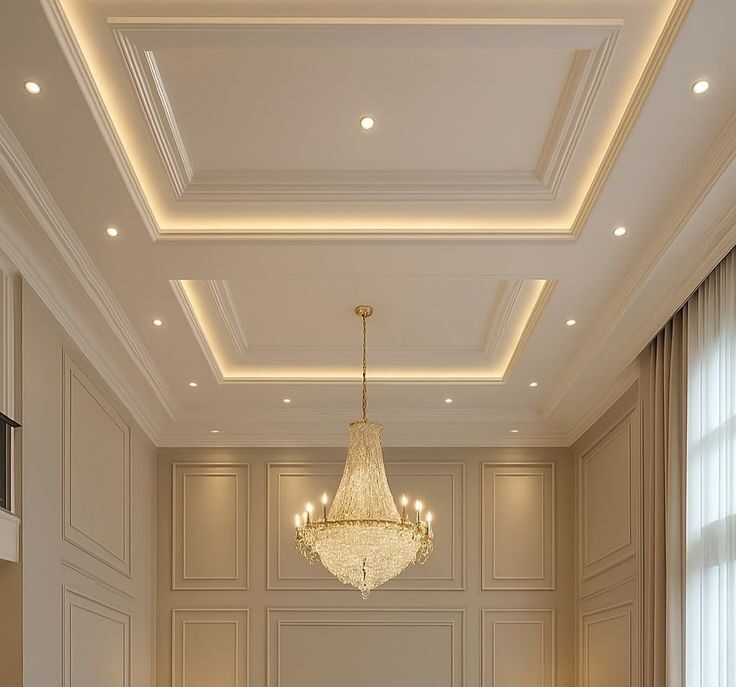
Drop ceiling systems continue to play a major role in modern construction projects in 2026. What used to be seen as a purely functional solution for hiding pipes, wiring, and ductwork has now evolved into a strategic design element. In many of the projects I’ve personally handled, clients are no longer just asking whether they should use a drop ceiling, they’re asking how to make the drop ceiling enhance the overall look and performance of the space.
From offices and retail buildings to villas and mixed-use developments, the drop ceiling is becoming more refined, more sustainable, and more integrated with smart building systems. In this article, I’ll share practical insights and real on-site observations about the latest drop ceiling trends, and how you can apply them effectively to your next construction project.
Why Drop Ceiling Systems Are Still Relevant in 2026
Before talking about trends, let’s address one important question: why is the drop ceiling still widely used?
From my experience working on commercial and hospitality projects, there are three main reasons:
- Easy access to MEP systems (mechanical, electrical, plumbing)
- Faster installation compared to solid ceilings
- Cost efficiency for large-scale projects
In renovation projects especially, a drop ceiling gives flexibility. If there’s a wiring issue or AC adjustment needed, we don’t need to break anything major, just open the panel. That practicality alone keeps drop ceiling systems highly relevant.
1. Minimalist and Seamless Drop Ceiling Designs
Cleaner Grid Systems
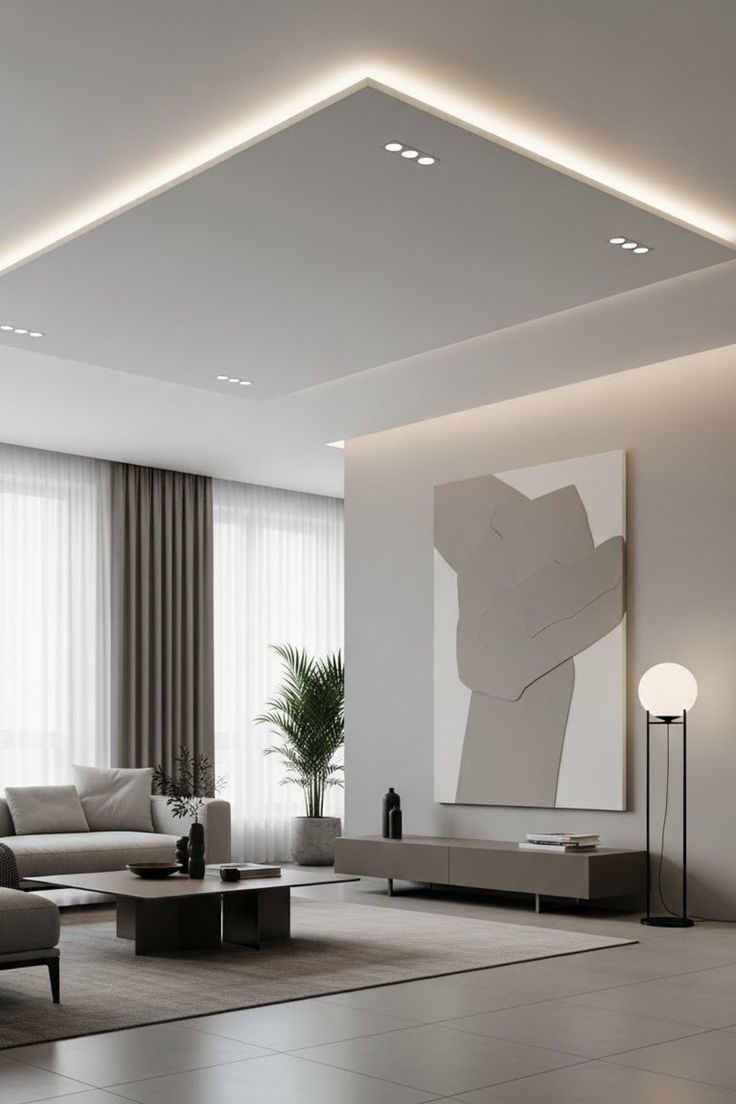
One major shift in 2026 is the move toward slimmer and more concealed grid systems. Clients prefer a more seamless look, less visible framing, tighter joints, and neater alignment.
In one office project I supervised, we switched from a standard exposed grid to a narrow-profile grid. The difference was subtle but powerful. The space immediately felt more premium and modern.
Tone-on-Tone Ceiling Panels
Instead of high-contrast white grids and panels, designers now use tone-on-tone combinations. Soft beige panels with matching grids, or warm grey with subtle textures, create a cohesive and calm atmosphere.
This approach works especially well in villas, offices, and boutique commercial spaces where aesthetics matter just as much as function.
2. Acoustic-Optimized Drop Ceiling Solutions
High-Performance Acoustic Panels
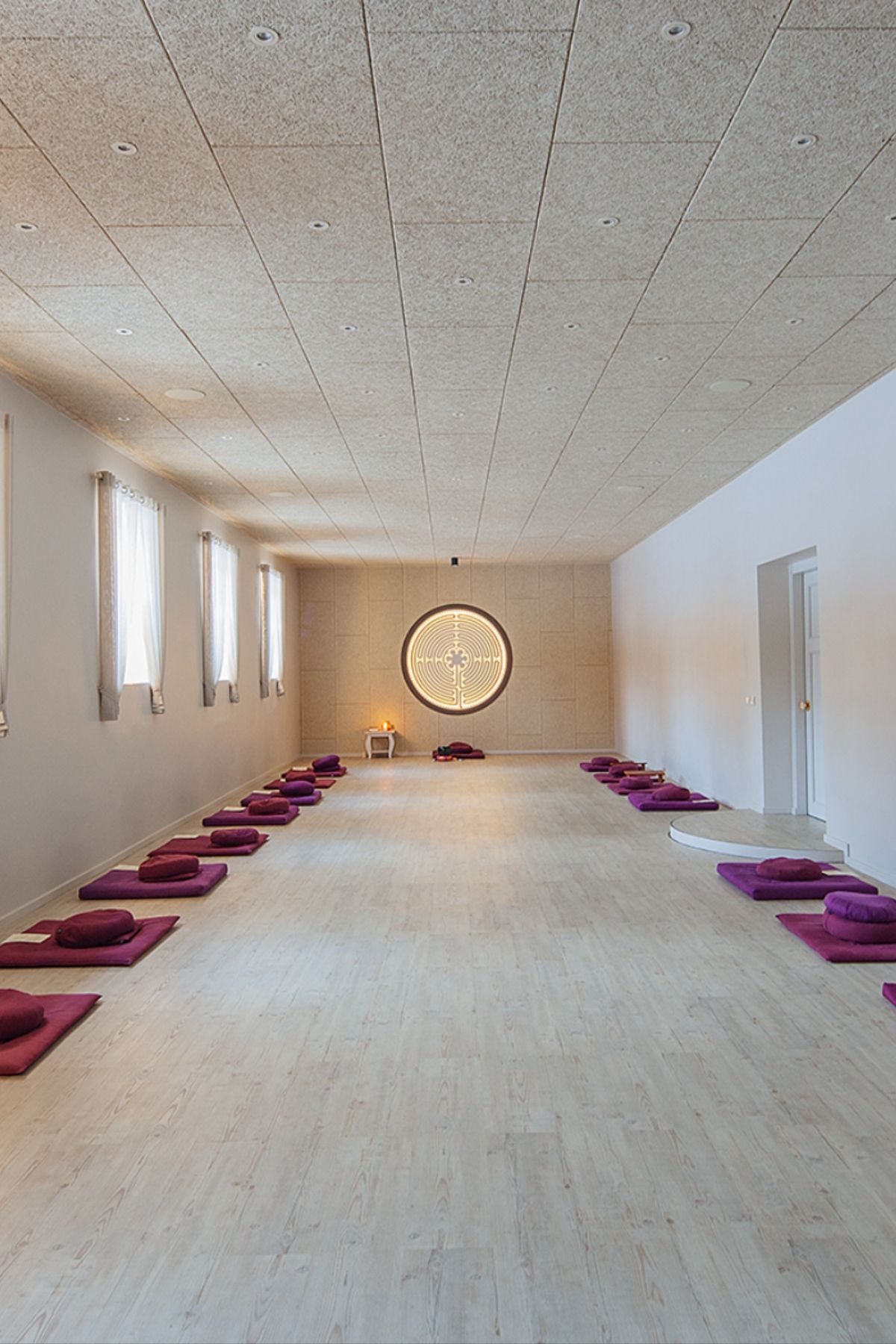
Noise control is becoming a bigger priority in 2026 construction projects. Open-plan offices, coworking spaces, and mixed-use buildings demand better acoustic performance.
Modern drop ceiling panels now come with improved sound absorption ratings (NRC). From practical experience, investing slightly more in acoustic panels dramatically improves user comfort, especially in meeting rooms and hospitality spaces.
Integrated Acoustic Design Planning
Instead of treating acoustics as an afterthought, it’s now part of early design planning. We calculate room function, ceiling height, and surface materials before selecting the drop ceiling system.
This prevents costly adjustments later and ensures the ceiling contributes to overall building performance.
3. Sustainable and Eco-Friendly Drop Ceiling Materials
Recycled and Low-Emission Panels
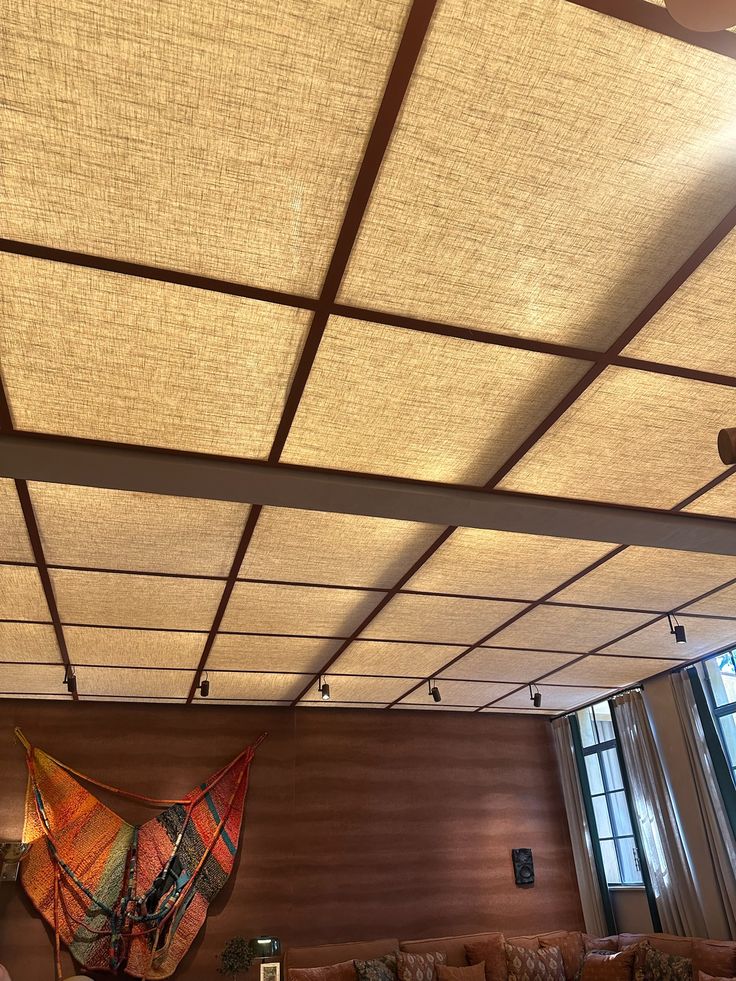
Sustainability is no longer optional. Many drop ceiling manufacturers now offer panels made from recycled materials with low VOC emissions.
In recent tenders, I’ve seen sustainability requirements becoming stricter. Choosing certified drop ceiling products not only supports environmental goals but also strengthens project credibility.
Modular and Replaceable Systems
One of the underrated advantages of a drop ceiling is modularity. Damaged panels can be replaced individually without dismantling the entire ceiling.
In long-term property investments, this reduces maintenance costs and material waste, a practical benefit that aligns with green building principles.
4. Integrated Lighting and Smart Technology
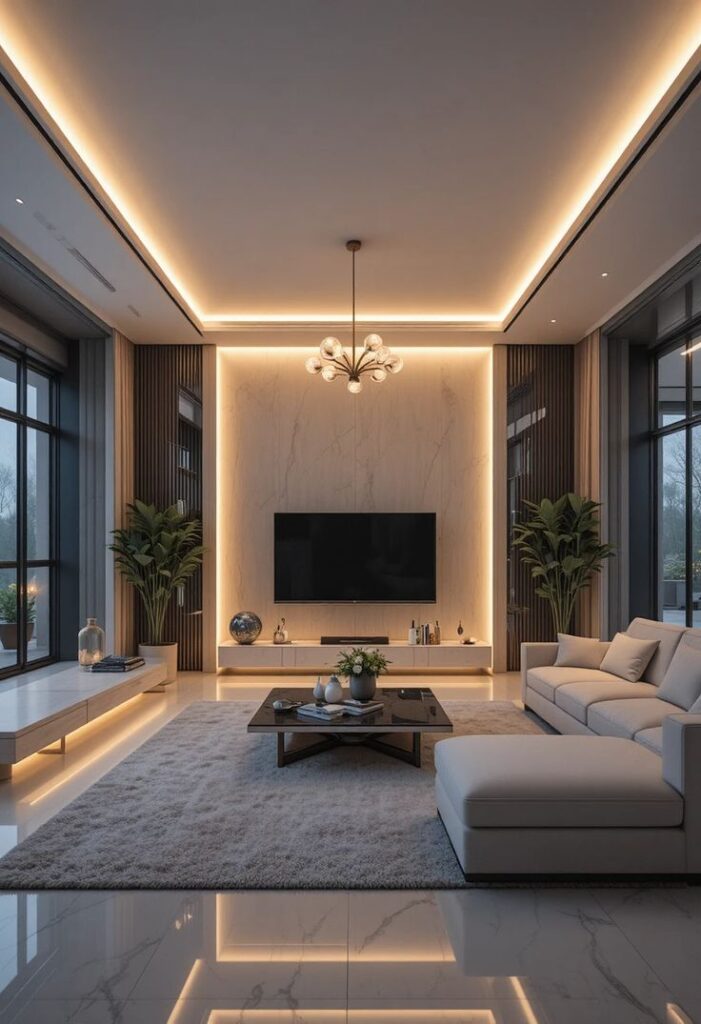
Hidden Linear Lighting
Lighting integration is one of the most noticeable trends. Instead of surface-mounted fixtures, many projects now integrate linear LED strips within the drop ceiling grid.
I’ve applied this in a retail project where the lighting lines followed the ceiling grid pattern. The result? A clean, structured look that enhanced the spatial rhythm.
Smart Building Compatibility
Modern drop ceiling systems are increasingly designed to accommodate:
- Smart lighting sensors
- Fire detection systems
- HVAC monitoring devices
Having a flexible ceiling cavity makes future upgrades easier, a major advantage in commercial construction.
5. Drop Ceiling for Mixed-Use and Adaptive Spaces
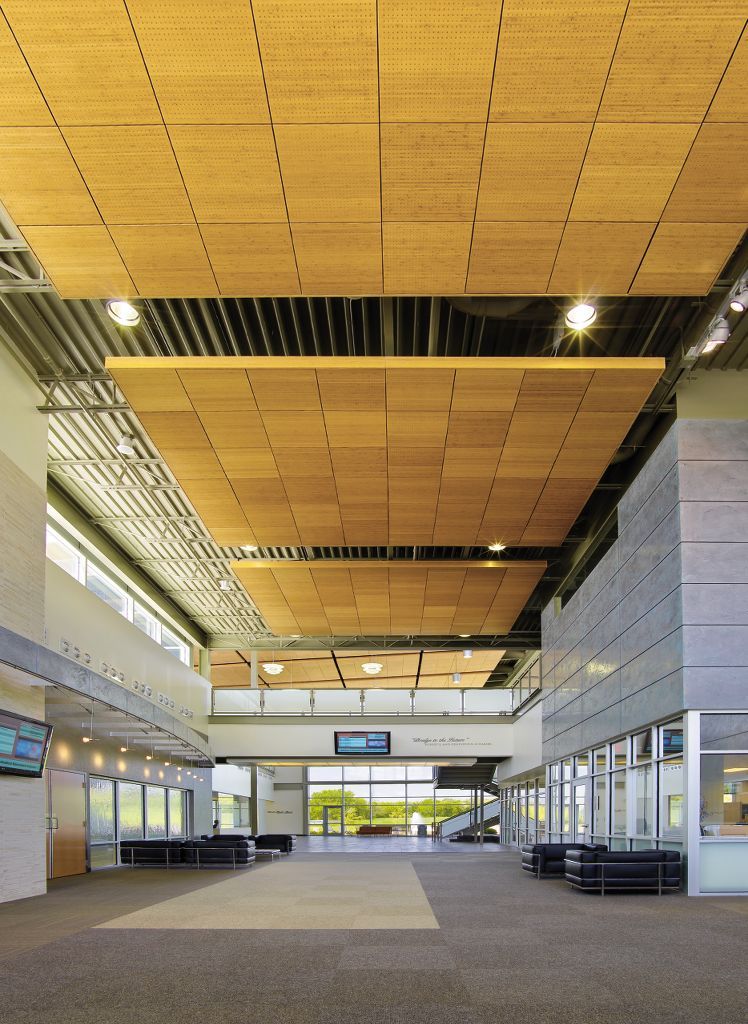
Flexible Layout Adjustments
As buildings become more adaptive, ceiling systems must follow. A drop ceiling allows easy reconfiguration when partitions change.
In one coworking renovation project, we adjusted the room layout three times. Because the drop ceiling grid was modular, modifications were efficient and cost-controlled.
Multi-Function Ceiling Zones
Designers are also dividing ceilings into zones: acoustic areas, lighting highlights, and service-heavy sections. The drop ceiling becomes part of spatial storytelling rather than just a cover.
Practical Tips Before Installing a Drop Ceiling in 2026
Based on hands-on experience, here are practical steps to consider:
1. Plan MEP Coordination Early
Make sure all mechanical and electrical layouts are finalized before ceiling installation begins. This avoids rework.
2. Choose Panels Based on Room Function
Meeting room? Prioritize acoustics.
Retail? Focus on lighting integration.
Residential? Consider humidity resistance.
3. Don’t Ignore Grid Quality
A strong and properly aligned grid system ensures durability and prevents sagging over time.
4. Think Long-Term Maintenance
Access panels, replaceable modules, and standardized sizes will make future maintenance easier.
The Future of Drop Ceiling in Construction
In 2026, the drop ceiling is no longer just a practical construction solution, it’s a strategic design element. It supports acoustics, sustainability, smart technology, and visual consistency.
From what I’ve seen on-site, projects that treat the drop ceiling as part of the overall architectural concept, not just an afterthought, always deliver better results.
If you’re planning a construction project this year, don’t underestimate the ceiling. Sometimes, the most impactful improvements happen above eye level.