

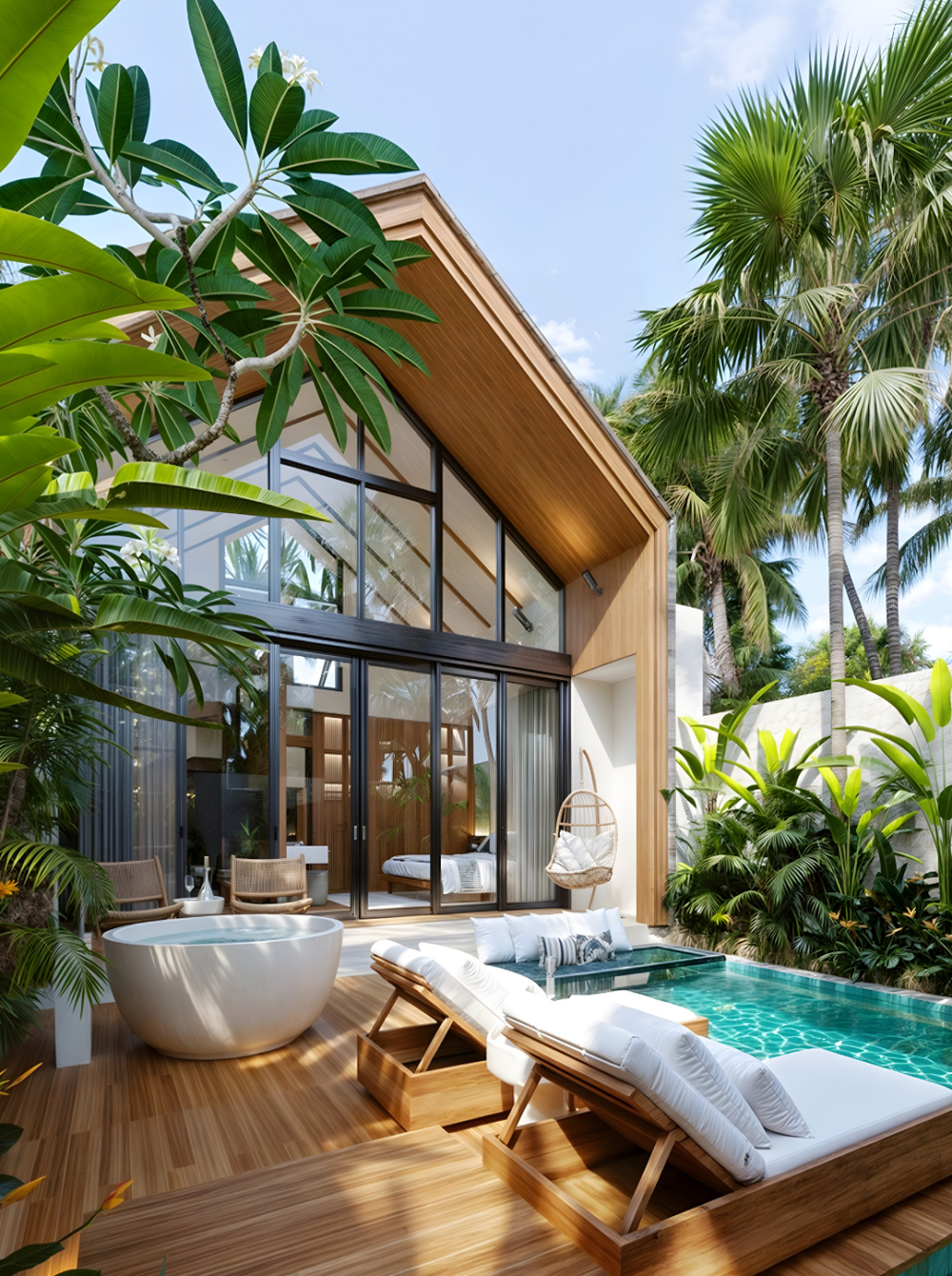
To build villa in Bali as a foreigner is more than just a property decision. It is an emotional journey. I have met many investors who came to Bali for a holiday and left with a vision. What if I had my own villa here?
But turning that dream into reality requires more than beautiful design inspiration. If you want to build villa in Bali legally and safely, you need to understand land status, permits, zoning, construction processes, and local regulations.
In this article, I will walk you through the real process based on practical experience assisting foreign clients so you can move forward with clarity and confidence.
Why Legal Structure Matters When You Build Villa in Bali
One of the biggest mistakes I have seen is foreigners rushing into land purchases without fully understanding Indonesian property law.
When you decide to building a villa in Bali, the first thing to understand is that foreigners cannot directly own freehold land known as Hak Milik. Instead, there are legal structures available that allow you to control and legally use property.
Leasehold vs Freehold: What Foreigners Need to Know
Most foreign investors choose:
- Leasehold (Hak Sewa) : You lease land for 25–30 years (extendable).
- PT PMA Structure : Setting up a foreign-owned company in Indonesia that can hold certain land rights (HGB).
If your goal is to build a rental investment villa, the PT PMA route is often considered more secure for business operations. For official legal framework references, you can review regulations through the Indonesian Investment Coordinating Board (BKPM)
Step 1: Land Zoning Check Before You Build Villa in Bali
Before you even think about design, always check zoning (ITR – Informasi Tata Ruang).
I’ve personally seen clients fall in love with ocean-view land, only to discover later that it was zoned as agricultural or green zone, meaning construction was restricted.
Key Zoning Categories in Bali
- Yellow Zone – Residential (ideal to build villa in Bali)
- Tourism Zone – Commercial rental operations allowed
- Green Zone – Restricted development
Never skip this step. A zoning check protects your investment before construction begins.
Step 2: Required Permits to Build Villa in Bali
Since 2021, Indonesia uses the PBG (Persetujuan Bangunan Gedung) instead of IMB. To legally build villa in Bali, you’ll need:
- Land certificate verification
- Zoning approval
- Architectural drawings
- Structural calculations
- PBG approval
- SLF (Certificate of Feasibility after construction)
This is where working with an experienced contractor or project manager becomes crucial. Documentation errors can delay your project for months.
Step 3: Budget Planning and Hidden Costs
When foreigners ask me how much it costs to build villa in Bali, I always say: construction cost is only part of the story.
Typical Cost Components
- Land acquisition or lease
- Design & architectural fees
- Permit processing
- Construction (structure, MEP, finishing)
- Pool & landscaping
- Furniture & interior
- Taxes & notary fees
- Utility connections
Many investors underestimate soft costs like consultant fees and permit revisions. Always allocate contingency budget (around 5–10%).
Step 4: Choosing the Right Contractor to Build Villa in Bali
From experience, this decision can determine whether your project runs smoothly or becomes stressful.
When helping foreign clients, I always recommend:
- Transparent BOQ (Bill of Quantity)
- Clear construction timeline
- Weekly progress reports
- On-site supervision
- Legal contract with payment milestones
If you’re serious about building in Bali and want professional guidance, you can contact us
Step 5: Construction Timeline, What to Expect
For a standard 2–3 bedroom villa (200–350 sqm), the typical timeline to build villa in Bali is:
- 1–2 months: Design & permits
- 6–8 months: Construction
- 1 month: Finishing & handover
Weather, material availability, and permit delays can affect schedule, which is why project monitoring is essential.
Safety Considerations When You Build Villa in Bali
Beyond legal compliance, safety is often overlooked.
Structural & Environmental Factors
- Earthquake-resistant structure
- Proper drainage system (especially during rainy season)
- Quality electrical installation
- Waterproofing standards
Bali’s tropical climate demands proper detailing. Cutting corners here may save money upfront but cost significantly more long term.
My Honest Advice Before You Build Villa in Bali
If I can share one personal insight:
Don’t rush.
Every successful villa project I’ve seen started with proper planning, legal clarity, and the right team.
Bali offers incredible opportunity, both lifestyle and investment, but only if you approach it professionally.
To summarize, if you want to:
- Build villa in Bali legally
- Protect your investment
- Avoid zoning and permit mistakes
- Ensure construction quality
- Operate safely as a foreigner
Then treat it as a structured project, not an emotional purchase. And if you want to explore more practical insights about construction, zoning, budgeting, and real project experiences in Bali, you can also visit our blog
[…] the full construction process is essential. You can explore our detailed guide on how to build a villa in Bali to better understand the timeline, budgeting, and execution […]